
From the Google AI: "The VIX Index, or CBOE Volatility Index, is a real-time market indicator representing the market's 30-day expectation of forward-looking volatility for the S&P 500 Index. Known as Wall Street's "fear gauge" or "fear index", it measures investor sentiment regarding market risk. Generally, a high VIX (above 30) suggests high fear/volatility, while a low VIX (below 15-20) indicates complacency or stability.
The VIX (CBOE Volatility Index) is calculated in real-time by averaging the weighted prices of S&P 500 Index (SPX) puts and calls across a wide range of strike prices. It measures the market's expectation of 30-day forward-looking volatility by aggregating option premiums, specifically targeting options with more than 23 and less than 37 days to expiration."
More information is available from the CBOE Website.
Volatility can vary greatly depending on the outlook for the market by participants.
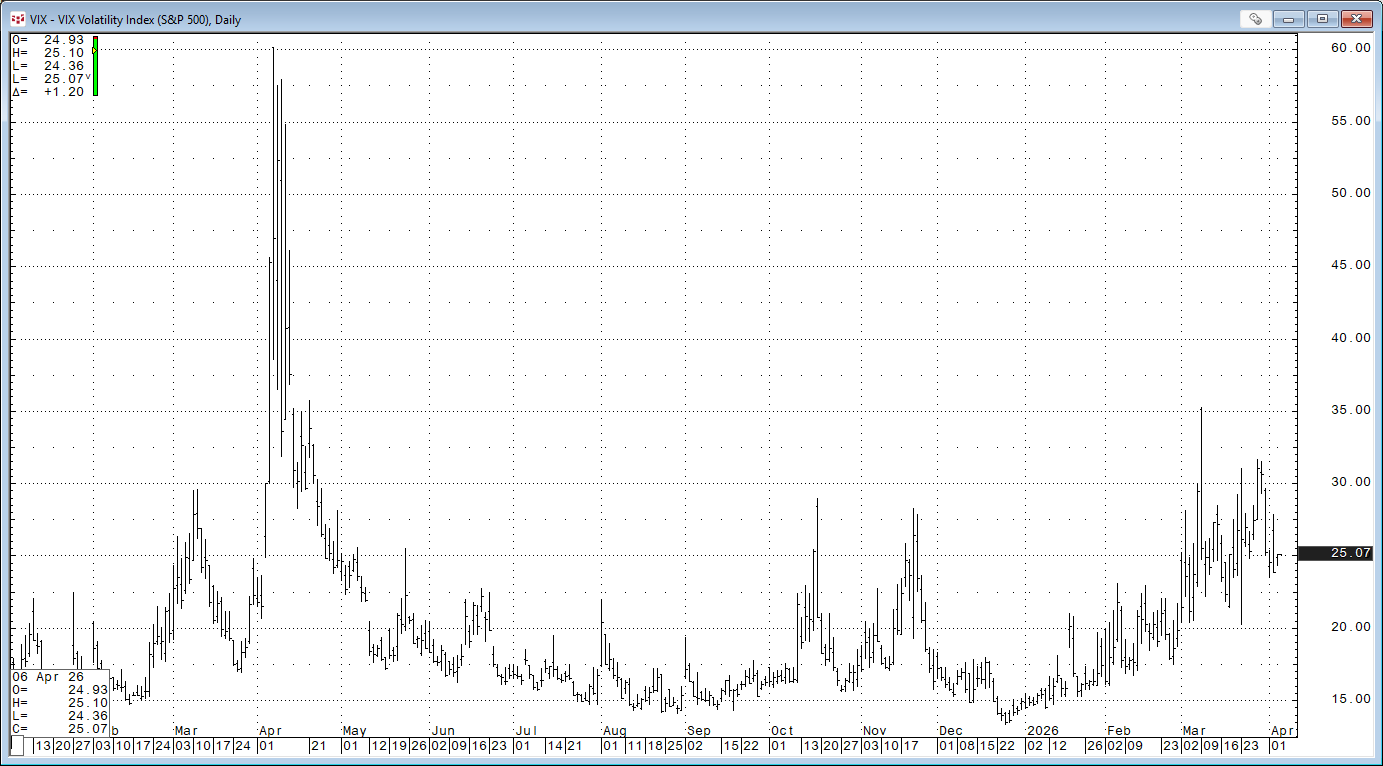
What would be useful is the ability to view volatility relative to history.
The Excel dashboard provided at the bottom of the post provides a historical view of the highest and lowest VIX Index readings over the recent 4 week period out to the 52 week period. Each lookback includes this week's data.
Then the difference between the highest and lowest readings are calculated and the difference is broken down into deciles.
This provides a relative view of the current VIX reading compared to the high-low range of the various lookback periods.
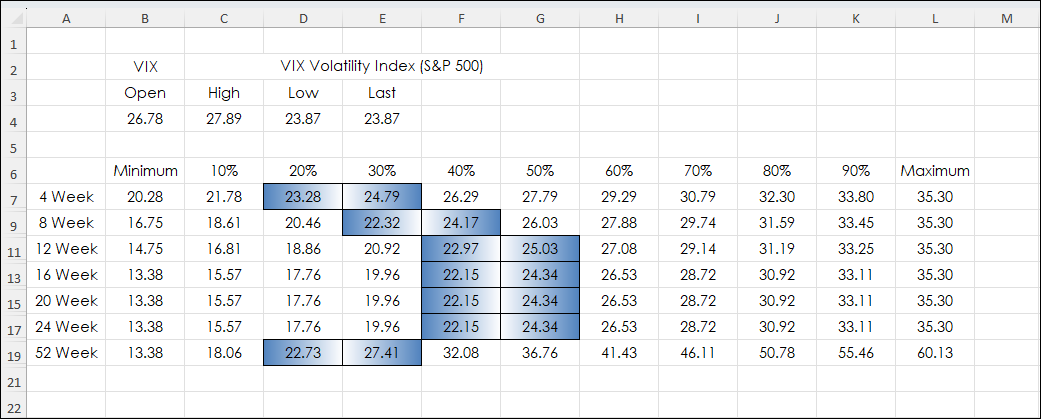
The rows are conditionally formatted to highlight where the current VIX reading lies relative to the lookback periods. The readings for the lookback periods use weekly open, high, low, and close data drawn from the Data tab.
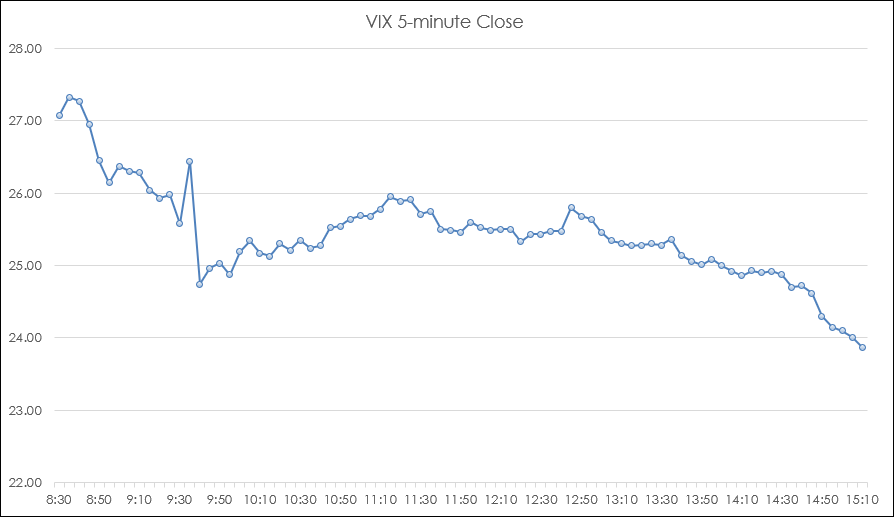
The chart is a 5-minute line chart plotting data for the current session from the Data (2) tab.
The basic approach is when volatility is historically low, look for long option strategies. When volatility is high, look for writing options strategies with very disciplined risk management of any positions.
Requires CQG Integrated Client or CQG QTrader, data enablement for the CBOE Global Indices Feed and Excel 365 or more recent locally installed, not in the Cloud.
This post was assisted by AI and reviewed by Thom Hartle.