Quite some while ago I showed, in a very simple way, how to overlay 2011, 2012, 2013, and 2014 data in one chart. I created two very simple code snippets to accomplish that.
This time, I… more

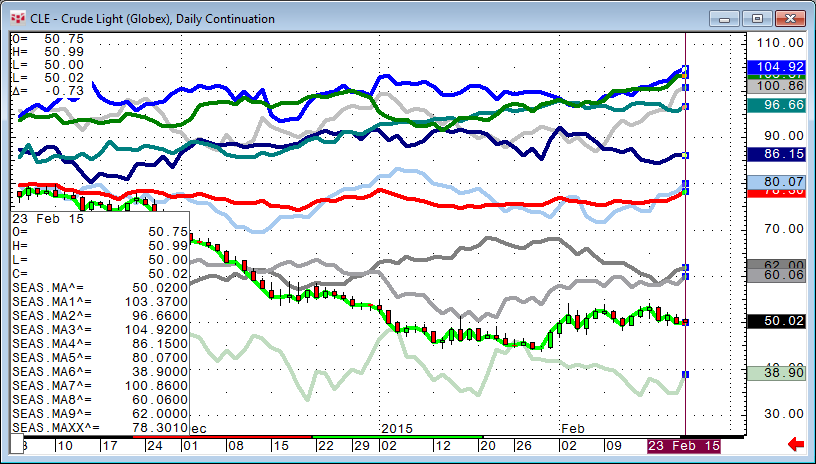
Quite some while ago I showed, in a very simple way, how to overlay 2011, 2012, 2013, and 2014 data in one chart. I created two very simple code snippets to accomplish that.
This time, I… more
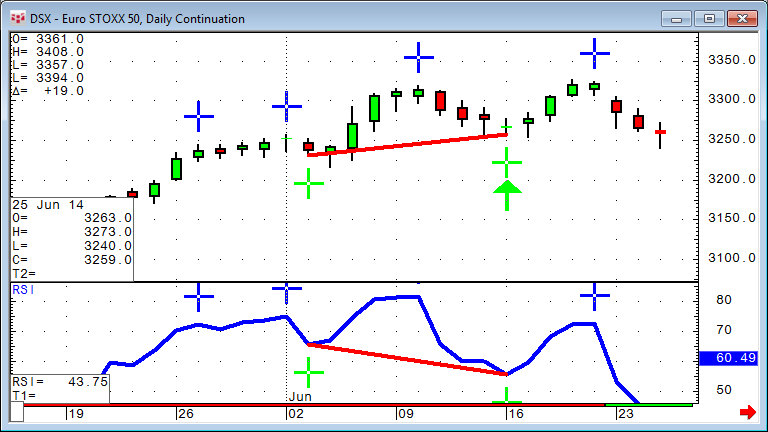
A couple of months ago we looked into CQG's built-in Divergence Index and how to use it.
Following up on this topic, I want to show a much simpler approach using the Formula Toolbox.
… more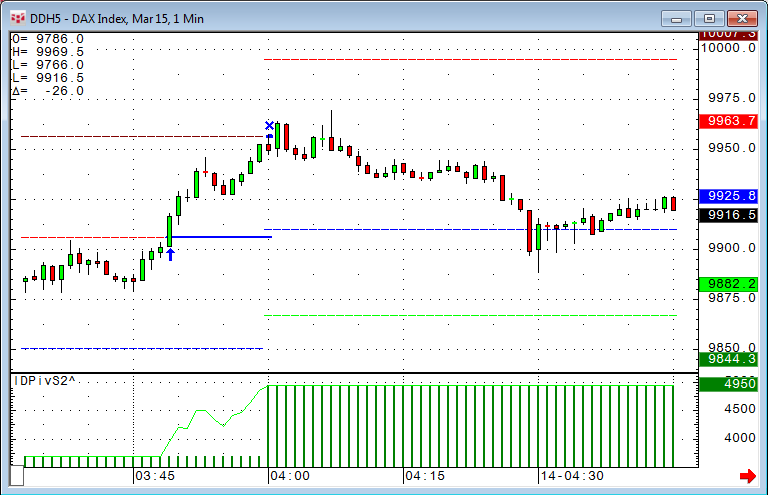
In this article we take a look at two examples where trades are placed on or around significant lines. The first idea is to change the classic daily pivot lines into intraday pivot lines and trade… more
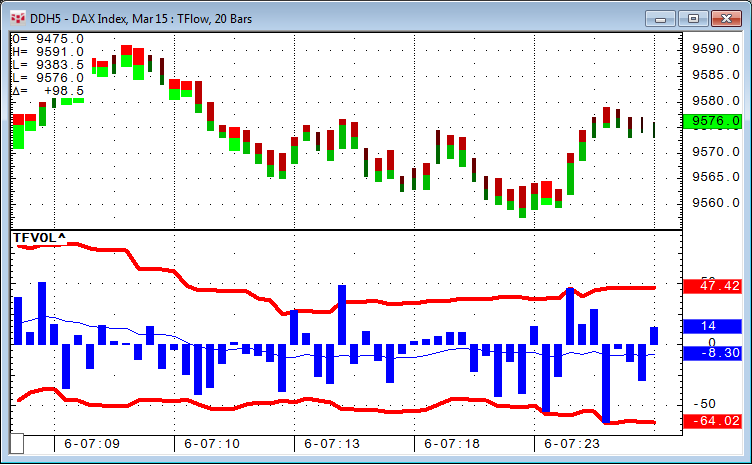
Recently, we had a request to show, in real time, how many contracts are available on the buy and sell side in the order book. This can be accomplished with a very simple study: DOM Ask Volume (… more
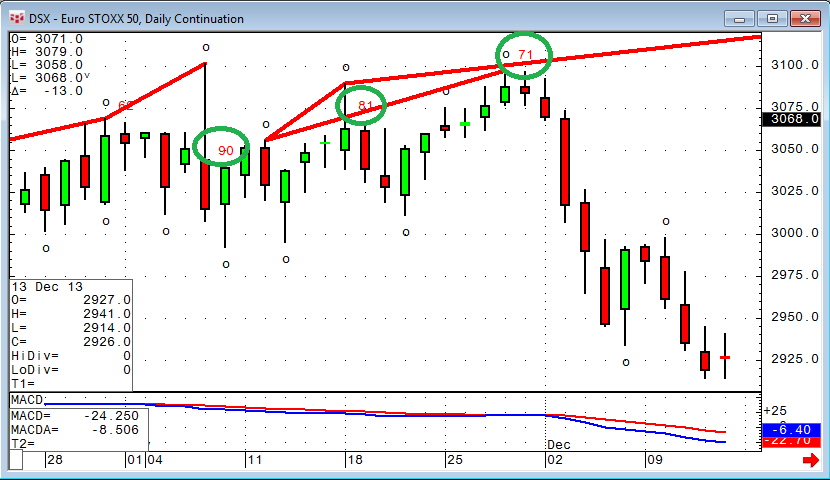
In this article, we will review a CQG indicator that has been available for many years and is still very relevant. It is possible to find divergence using the CQG formula toolbox, but it usually… more
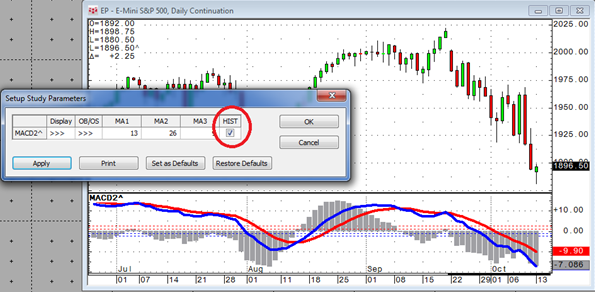
CQG's Formula Builder Toolbox gives you the ability to use parameters (variables) inside your CQG code in order to control studies, conditions, and trade systems externally without the need to… more
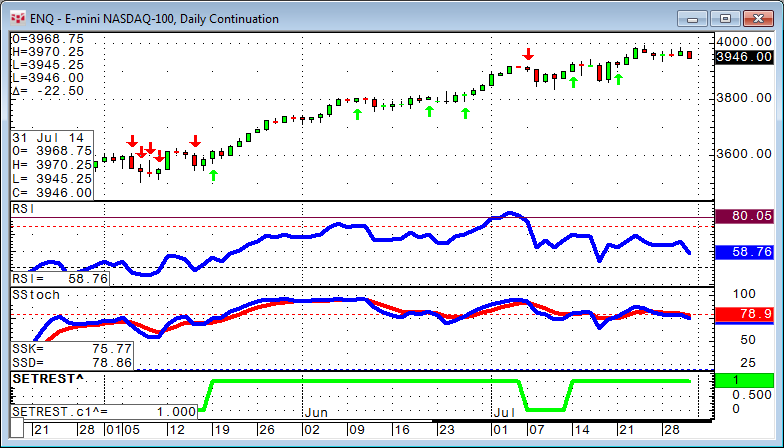
In this article we will look into different ways to use an event to set up a trading opportunity. We will review the differences between BarsSince, Happenedwithin, and Set/Reset.
… more

Take your trading skills to the next level with CQG Product Specialist Helmut Mueller.Building upon his extensive experience, Mueller presents a thorough explanation of the advanced tools… more
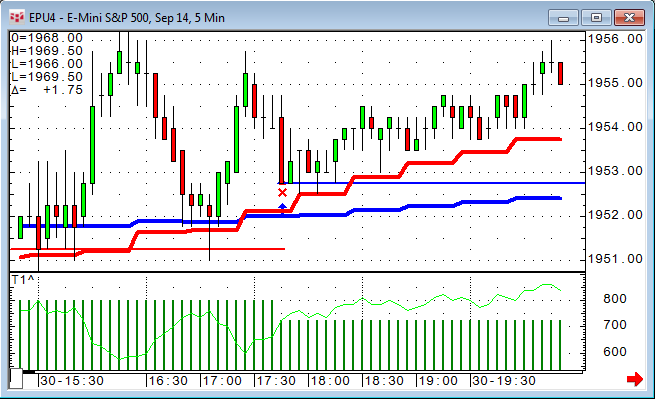
After we looked into some time frame considerations in my last article, the next logical question is to ask if CQG can "optimize time." CQG Trade System Optimizer (TSO) does not allow us to… more
What is the right time frame for your trading?
Any data we analyze is more representative if we have a bigger number of samples. Asking ten people how the next elections will turn out will… more