Related: Using the Super Template
The idea is to have a few standard trading systems that have many customizable exits already built in:
EOD - End Of Day will exit any position… more
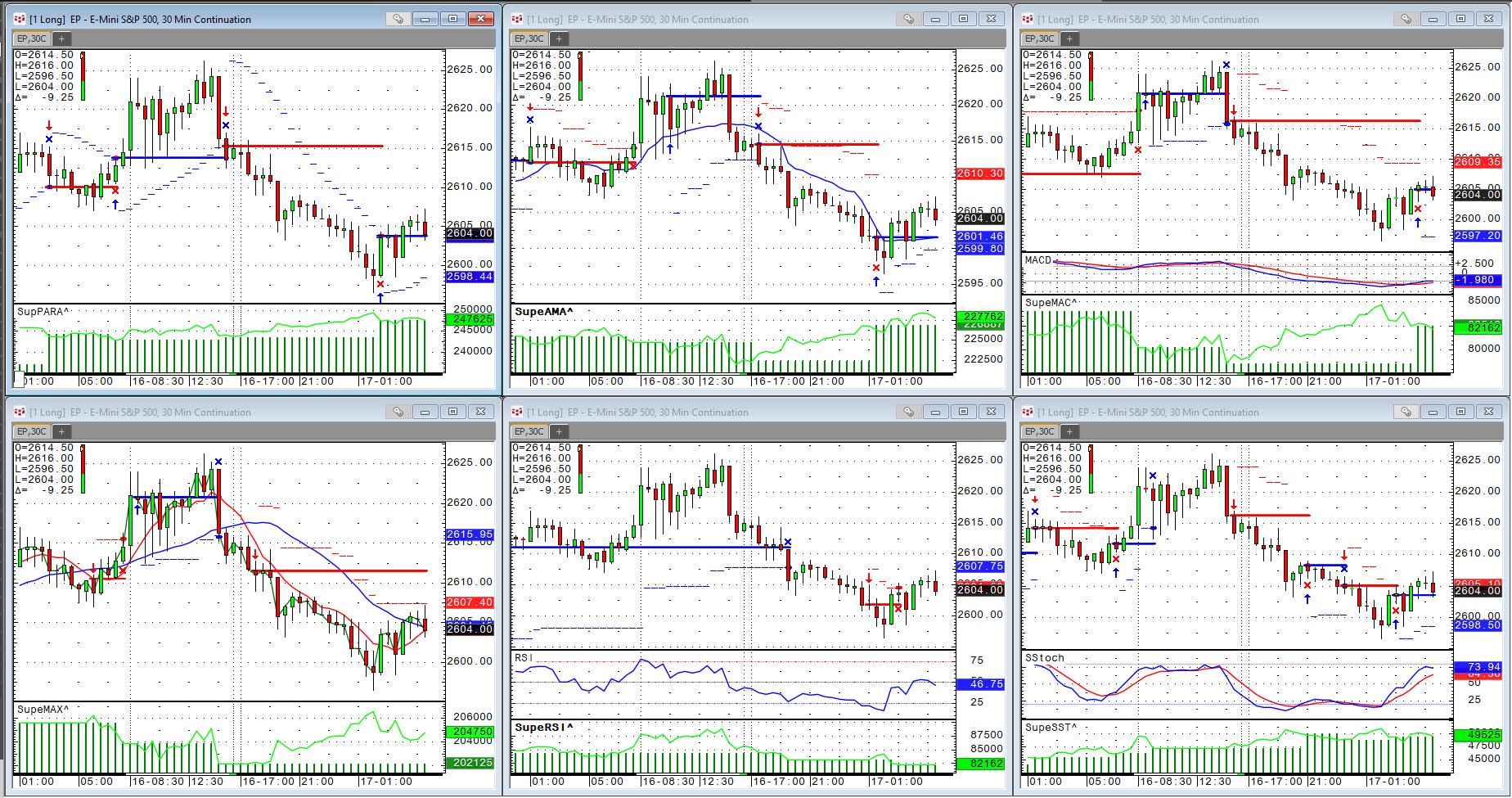
Related: Using the Super Template
The idea is to have a few standard trading systems that have many customizable exits already built in:
EOD - End Of Day will exit any position… more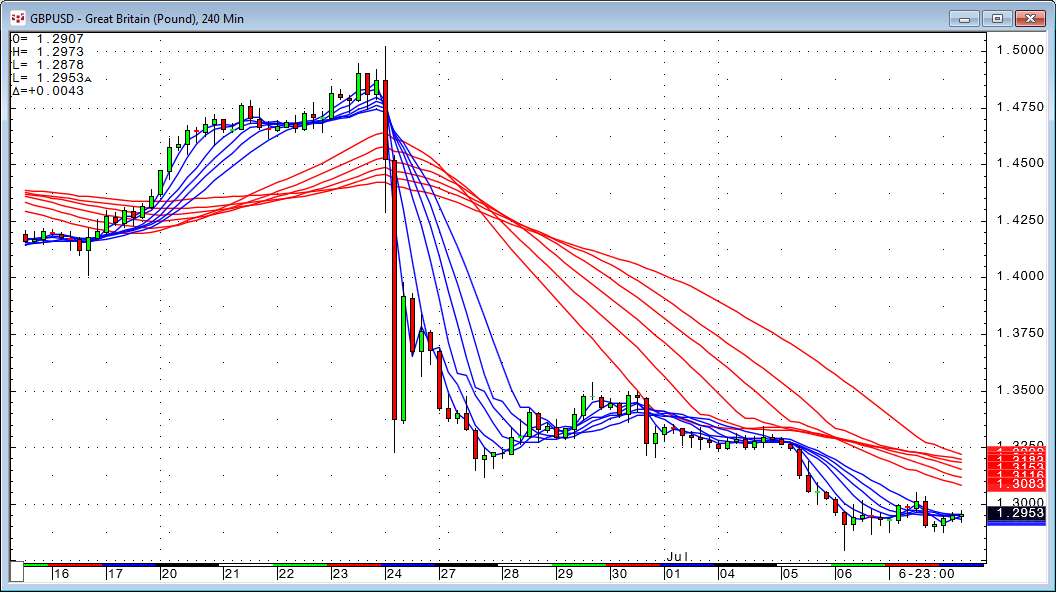
The Guppy is an indicator used in technical analysis to identify changing trends. The technique is based on combining two groups of moving averages with differing time periods.
One set of… more
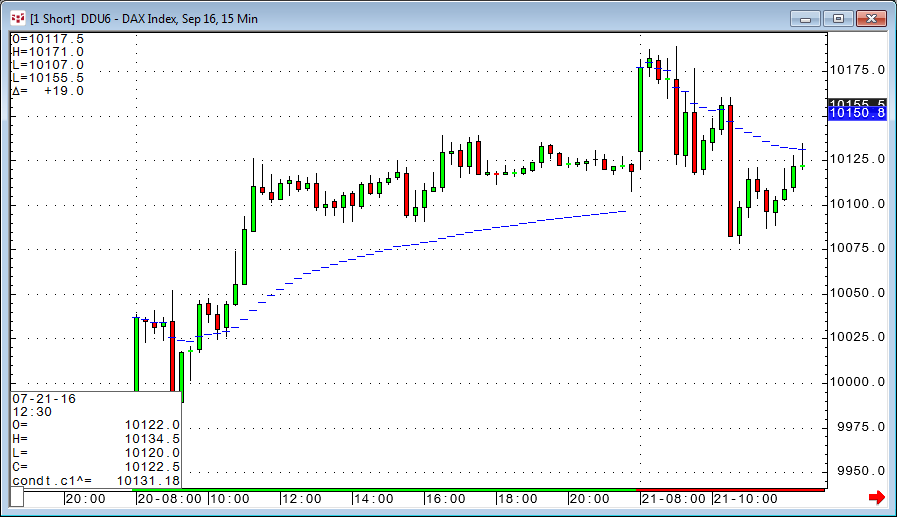
In my last article I showed a little workaround to feed a calculation into a Study Parameter. We can use a very similar trick for all functions that require a separate condition for a reset. There… more
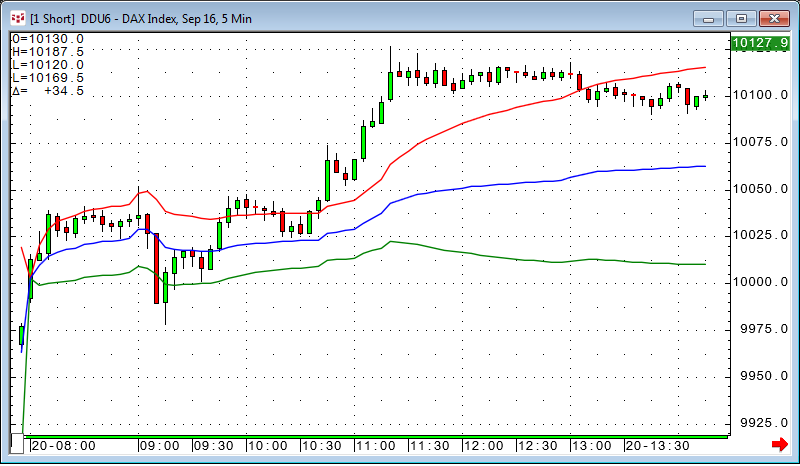
If you build your own indicators, you may have been stuck feeding your own calculation back into a study parameter. The CQG front-end does not allow this directly, but we have a smart workaround… more
The Guppy is an indicator used in technical analysis to identify changing trends. The technique is based on combining two groups of moving averages with differing time periods.
One set of… more
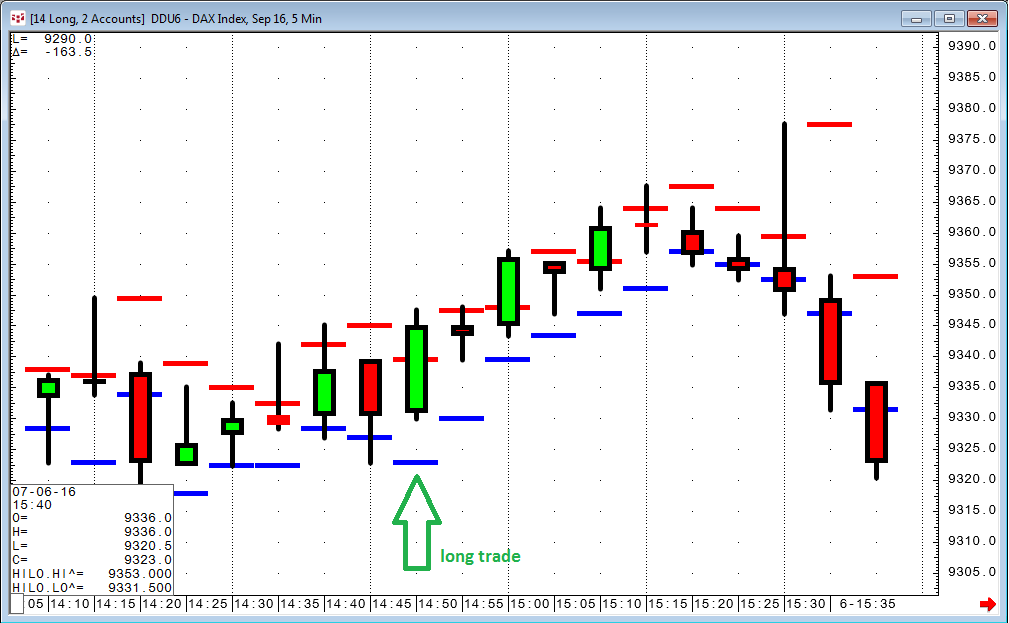
Sometimes it is not necessary to write a complex trading system when you want to accomplish something minor in the trading environment. For example, CQG provides built-in trailing stop… more
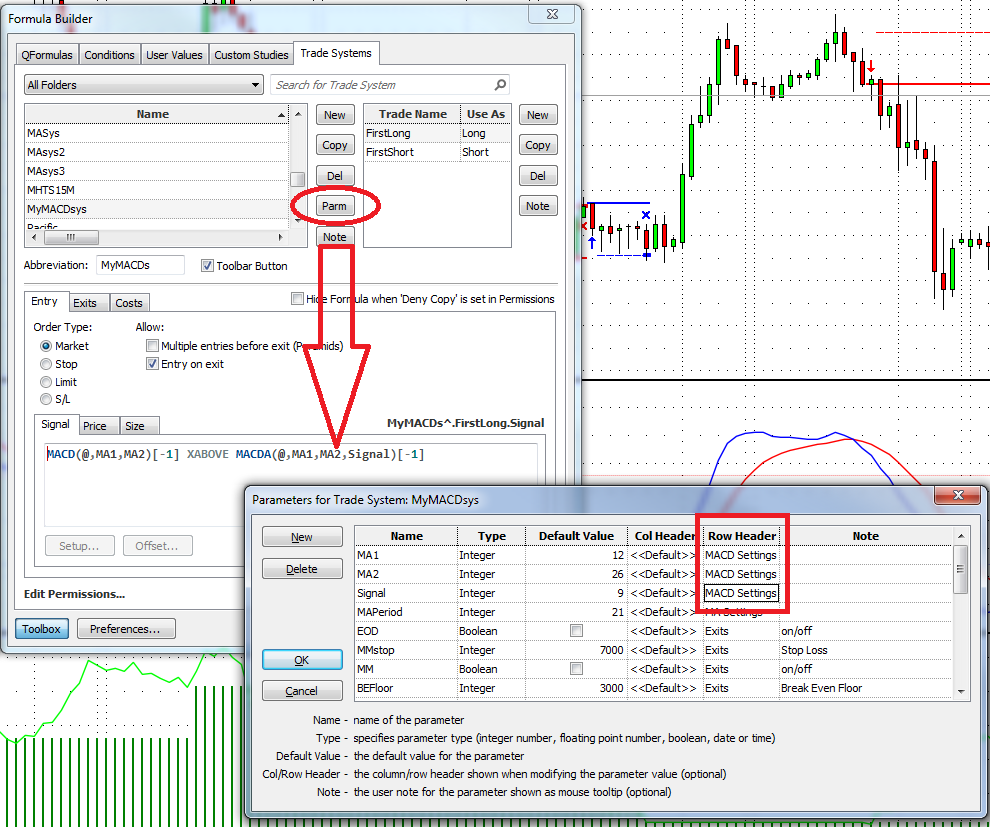
This is a quick-start guide to building your own trading system based on the Super Template. The Super Template comes pre-installed with CQG Integrated Client. As a basic example, we will create a… more
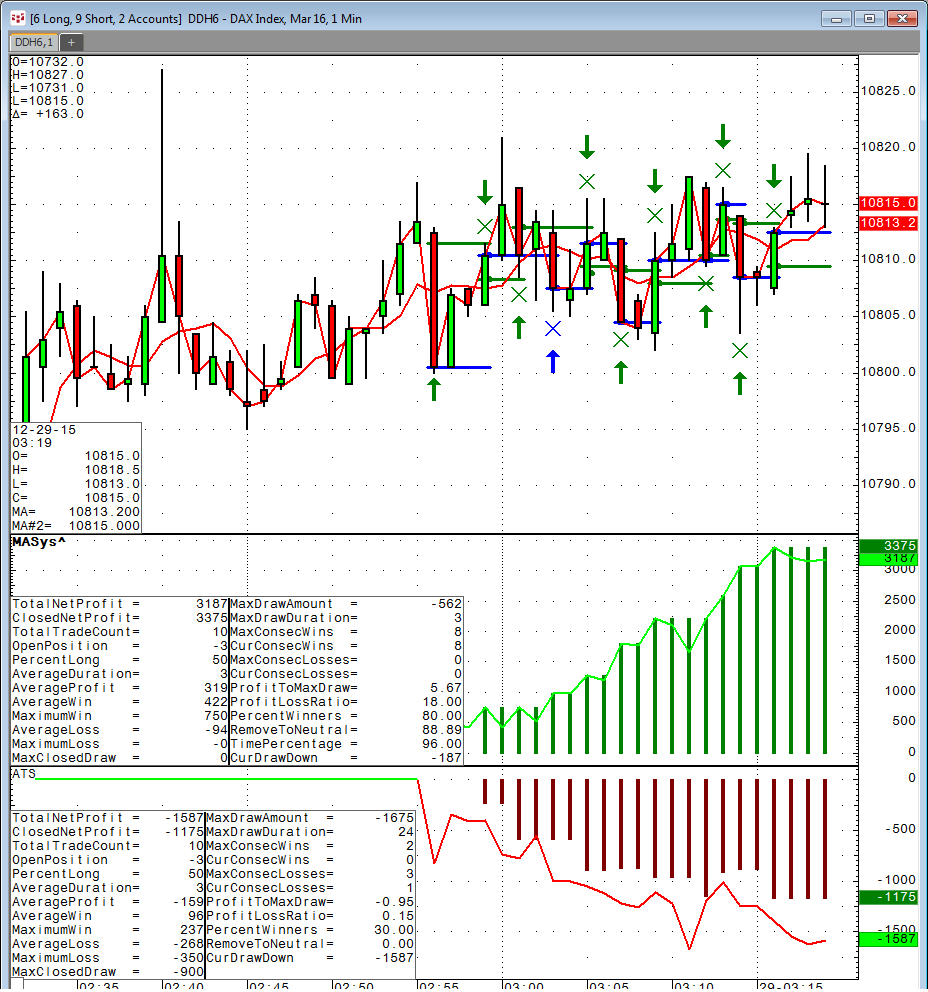
After supporting auto trading for one year now, it seems to be that understanding the difference between backtesting and real-time trading might be the biggest struggle. If your backtesting… more
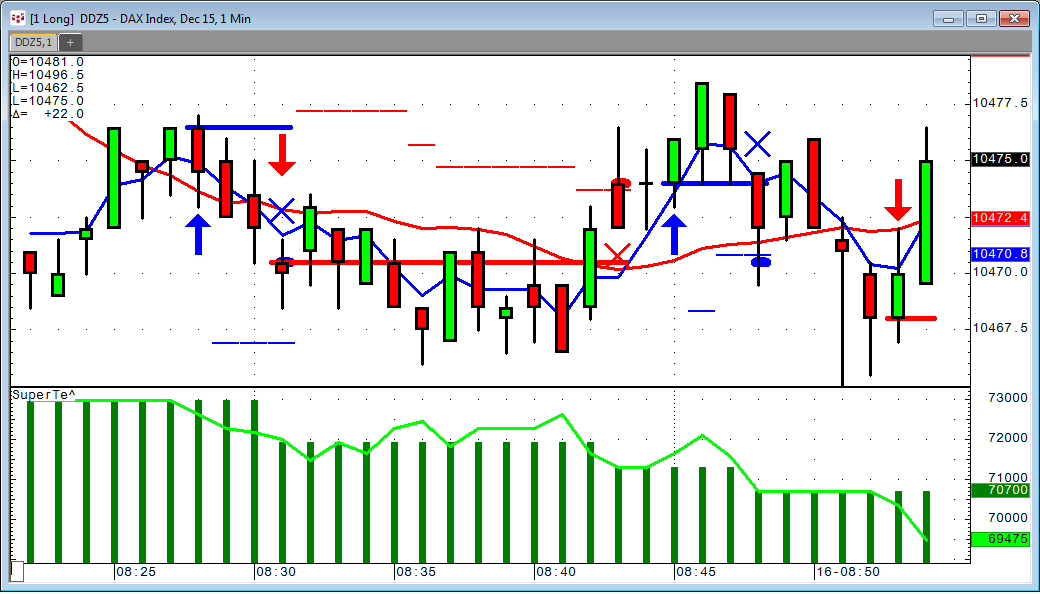
CQG Integrated Client version 2015 offers sophisticated auto execution based on the CQG backtesting environment. Basically, all of your trading systems can be set to auto execution with only a few… more
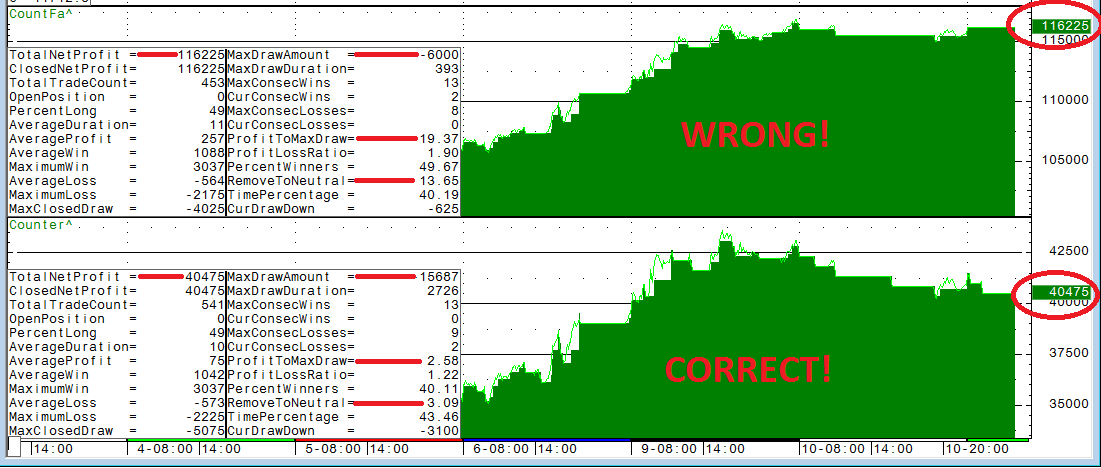
In this article I want to show how misleading a peak-ahead failure can be on a trading system.
I was working on a countertrend system and the backtesting results showed that it picked up… more