
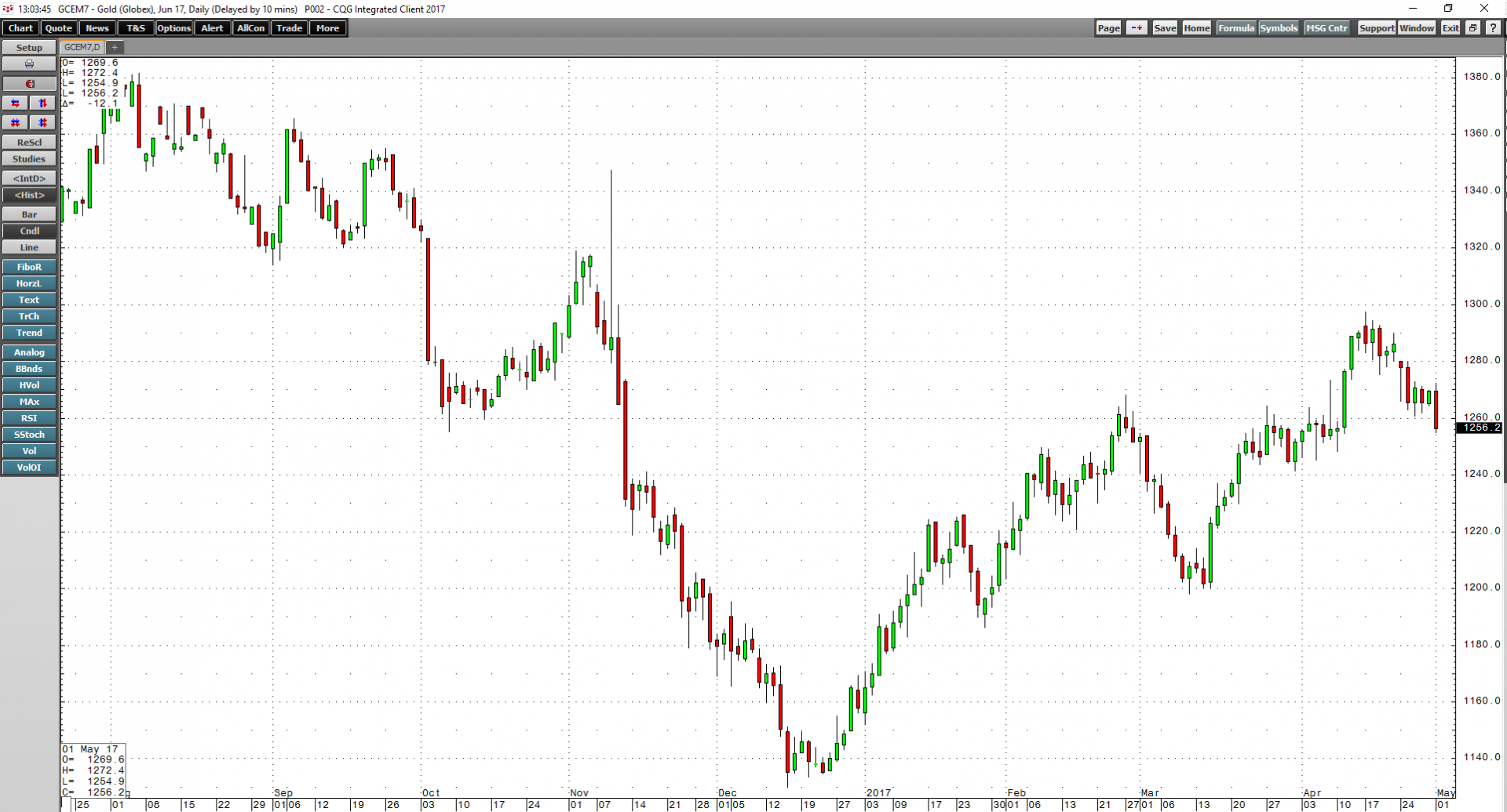
Gold opened 2017 with a roar after hitting lows in December. The price of the yellow metal has made higher lows and higher highs so far with the most recent peak coming on April 17, when the… more
Blogs
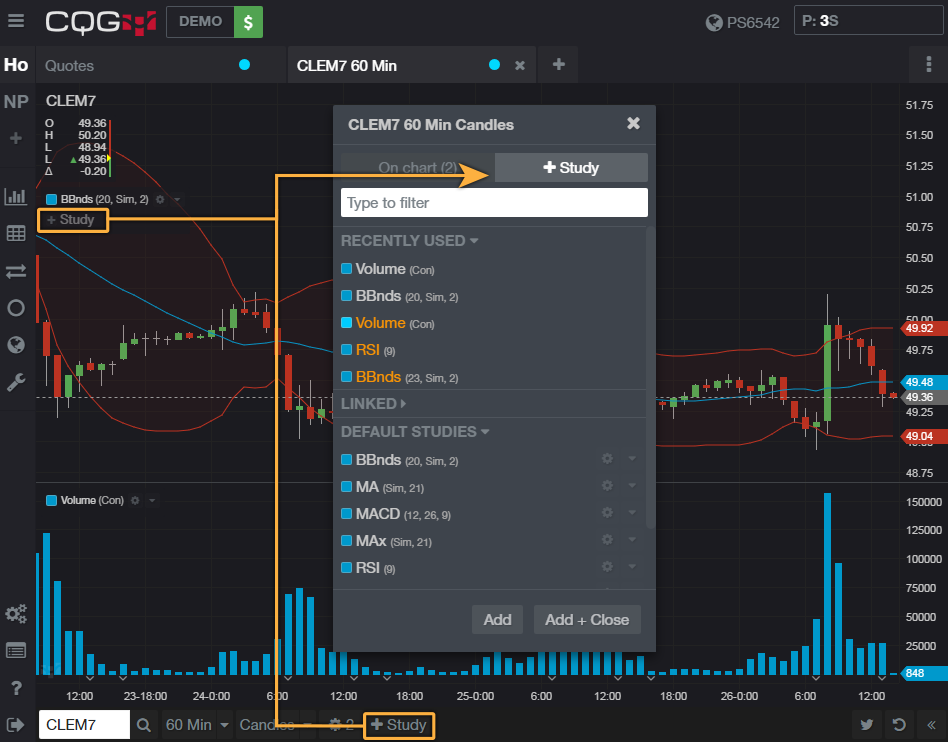
We have exciting updates in this version! The long-awaited study parameters have been added to charts and trading now includes park and activate functionality. Here is a summary of the new… more
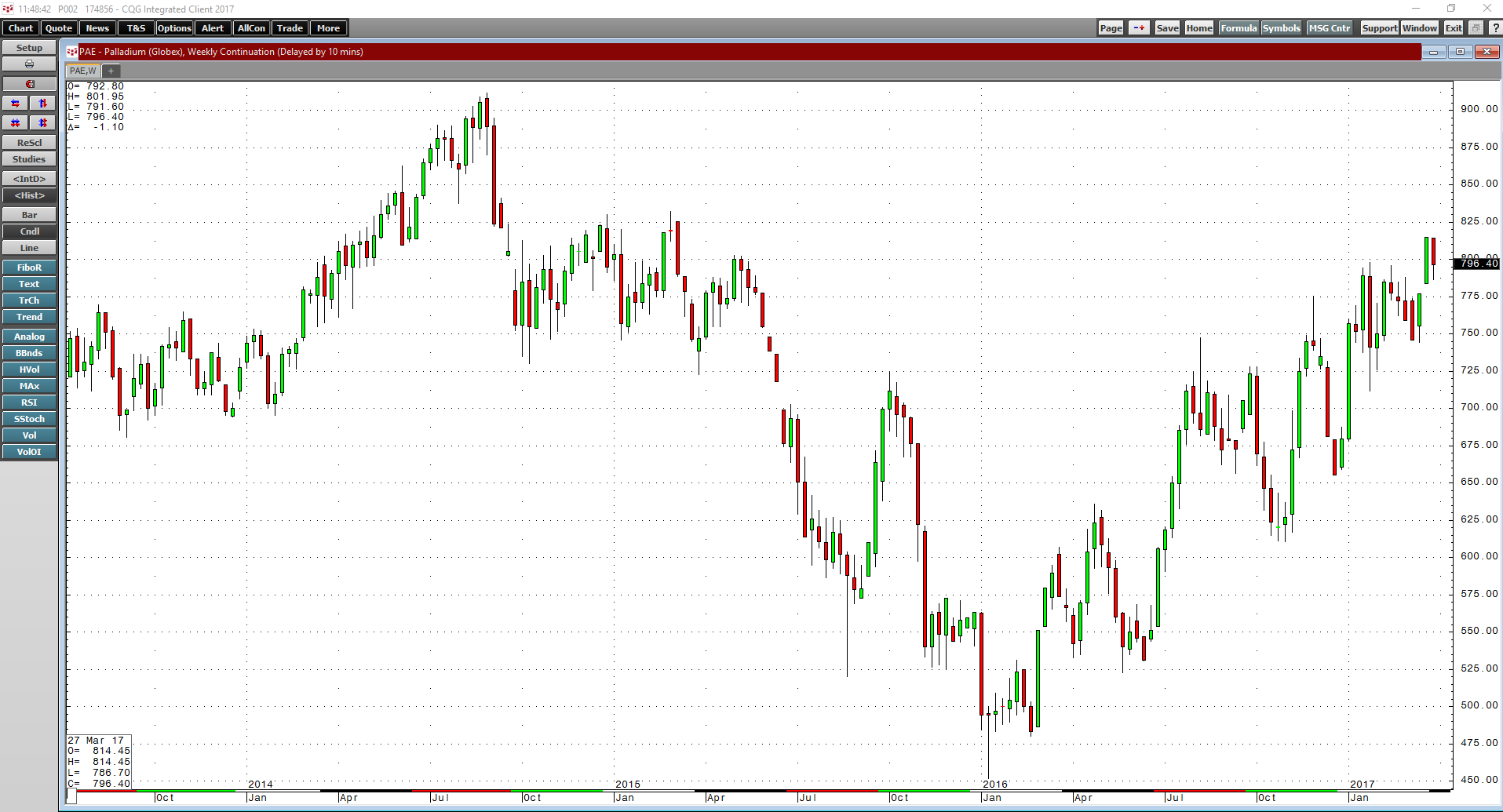
The dollar index moved lower by 2.02% in the first quarter of 2017, and commodities prices moved higher with four of the six major sectors posting gains. Many raw materials made multiyear lows in… more
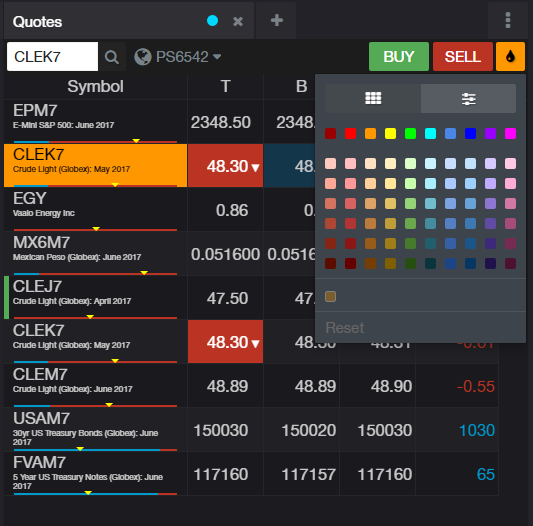
Quotes
Thermometer on QSS: Added the thermometer to the symbol column in the QSS style
Color cells in all quote styles: You can now mark a quote with color
Option to launch HOT or OT from the Buy/… more
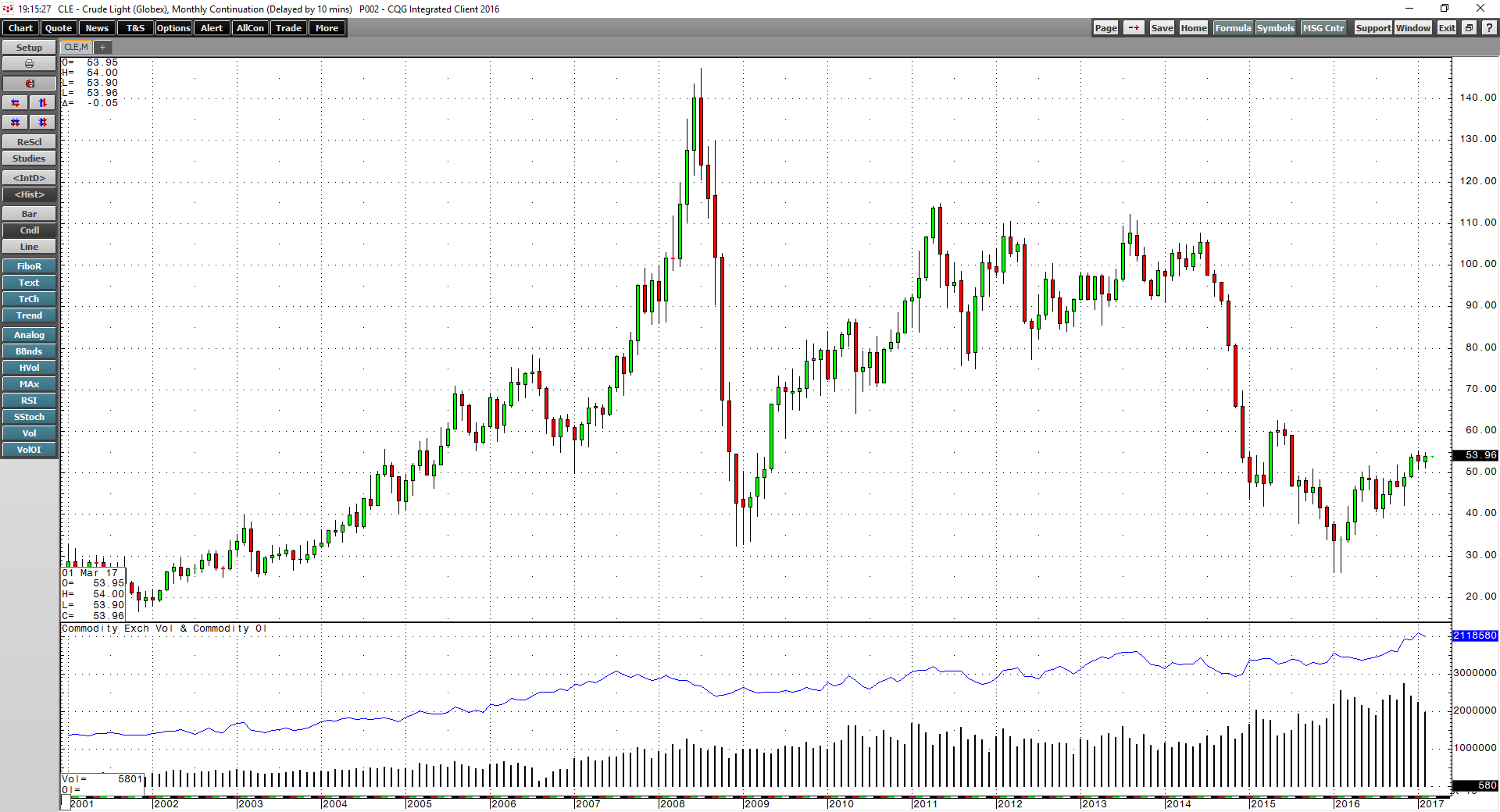
The trading range in crude oil has been narrow since the middle of December 2016. From high to low since December 19, the price of active month NYMEX crude oil futures have traded in a range of… more
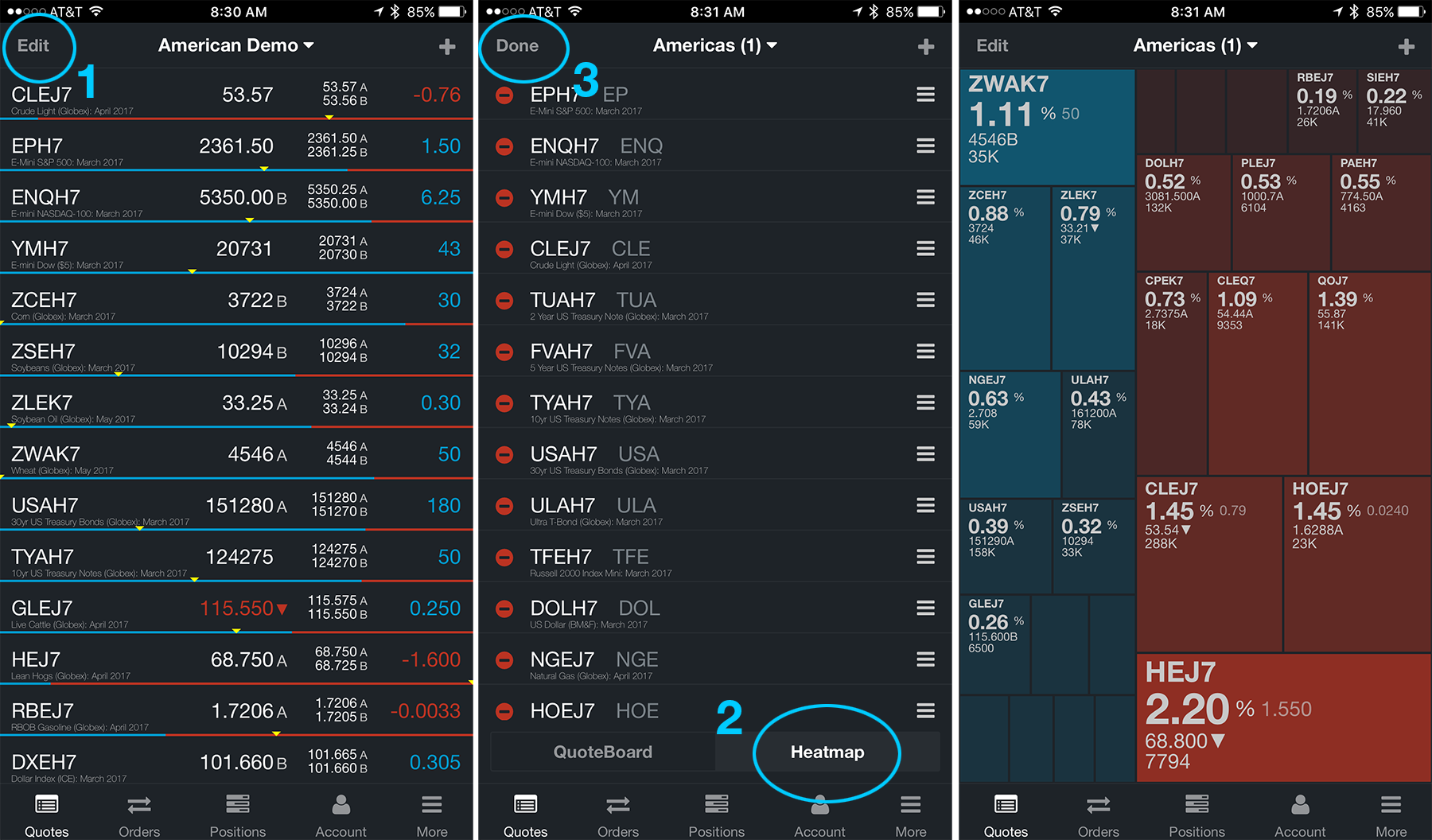
CQG M on Phones
Heatmap view for quotes: Experience dynamic real-time data visualization.
Chart
Custom time intervals: Enter custom intraday time intervals on charts.
Trading
Improved drag… more
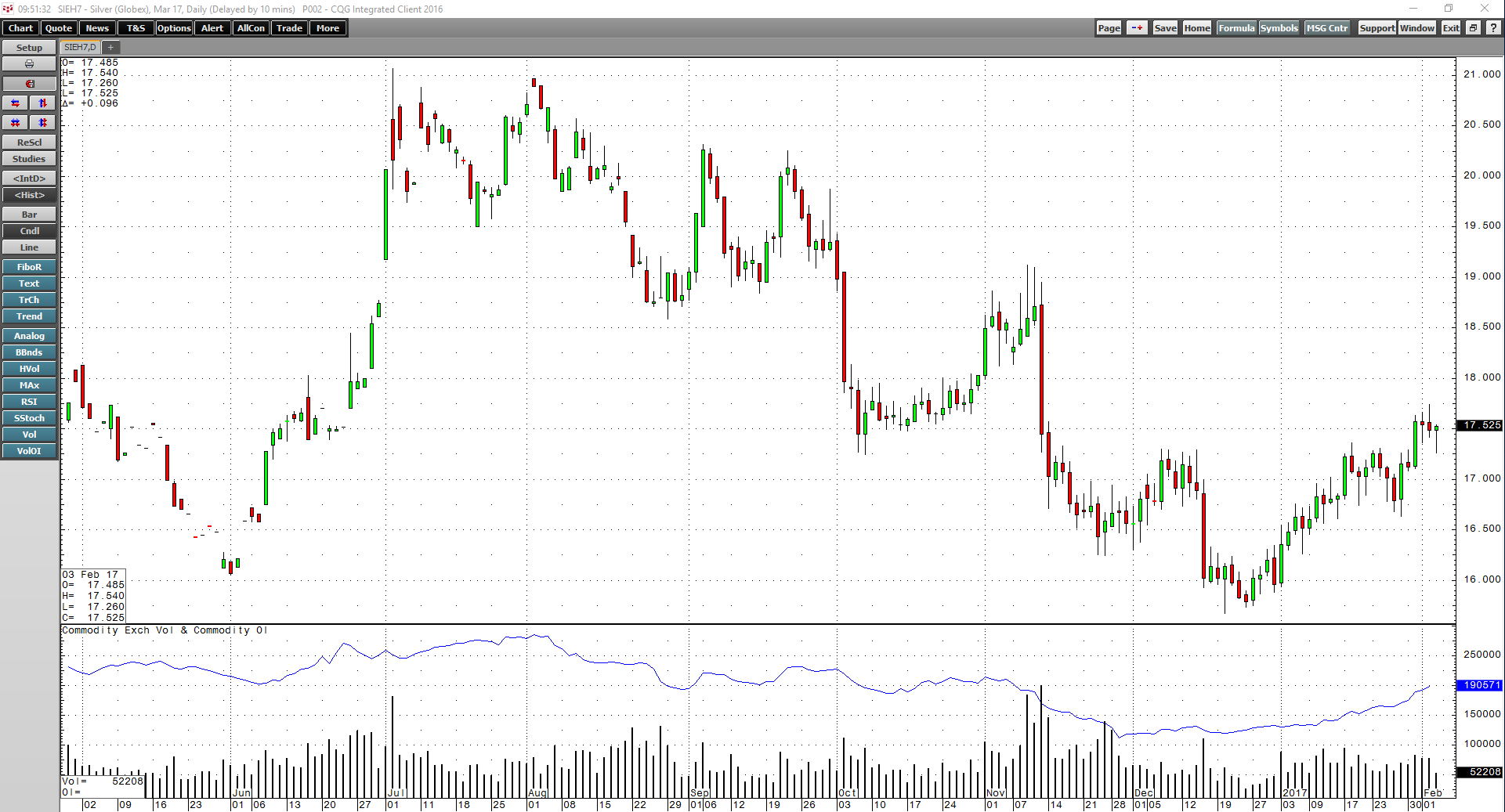
After Election Day in November, it looked like the rallies in gold and silver that took place over the course of 2016 were over and done. Nearby gold futures fell to lows of $1,123.90 and silver… more
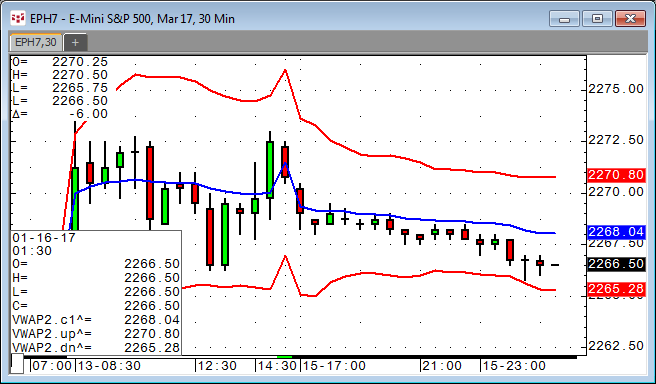
Here is a special version of the Volume-Weighted Average Price (VWAP) study including standard deviation bands.
VWAP is the volume-weighted average price for a futures contract… more
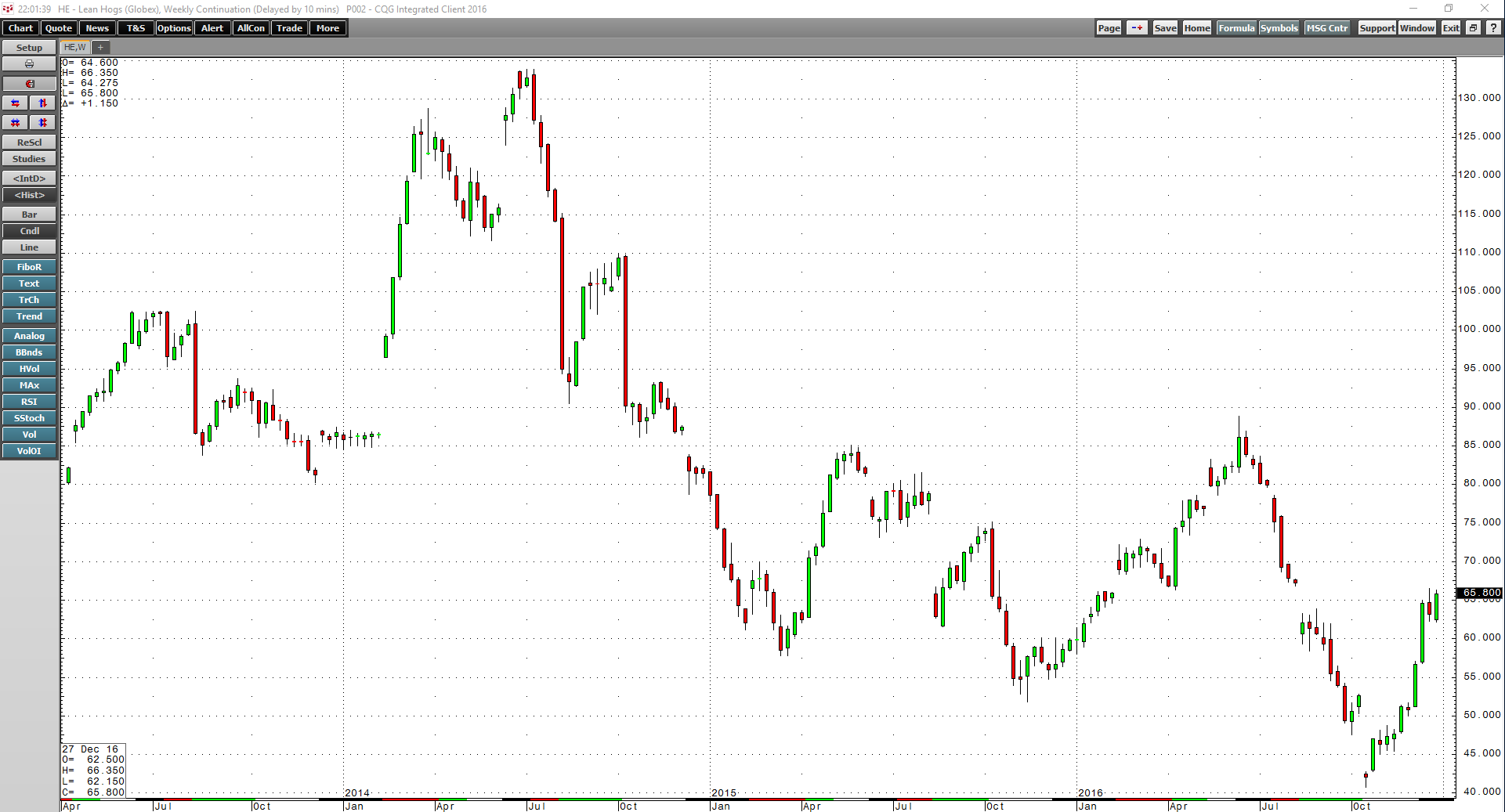
The dollar index exploded higher by 7.23% in Q4 2016, but most raw material prices ignored the greenback. The principal raw materials traded on US and UK futures exchanges rose by 3.75% in Q4. The… more
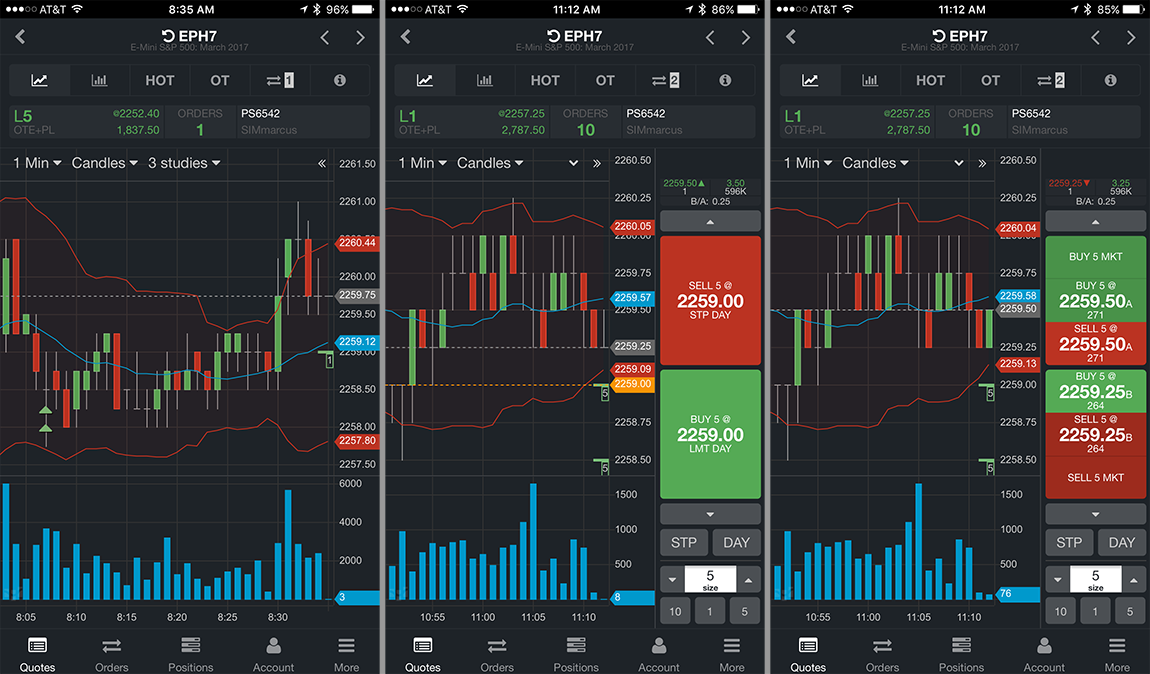
Here are some of the exciting new features available in CQG M version 2.9.
CQG M on Phones Details page layout improvements. Trading buttons moved from the top of the details page to the… more